TL/DR: A dedicated web page for each business location, or a “location page,” is crucial for local SEO. It helps businesses rank higher in local searches, improves user experience, and drives conversions by providing specific, accurate information for customers nearby.
Understanding Location Pages: A Core Component of Local SEO
A location page is a unique web page built for one of your business’s physical spots. Think of it as a digital storefront for that single branch. It gives customers all the info they need about that particular place.
Its main point is simple: make you more visible in local search results. It helps potential customers find details, get directions, and connect with that specific branch. Ultimately, it aims to drive both foot traffic and online inquiries.
This page is much more than a general “Contact Us” or store locator. It dives deep into the specifics of one location, making it a highly targeted resource for local searchers.
Why Location Pages Are So Important for Your Business
These dedicated pages significantly improve your local search visibility. They help your business show up prominently for “near me” searches and specific queries. This direct approach connects you with high-intent local customers.
They also offer a better user experience. Customers get immediate access to vital information – like hours, services, and contact details – without digging around. This convenience builds trust and makes their journey smoother.
Better UX often means more conversions. A good location page guides users to specific actions: calling for an appointment, getting directions, or making a purchase. It turns interest into tangible business.
Having these detailed pages shows professionalism and a commitment to local service. This builds trust within the community, proving you’re a serious local player.
Finally, location pages work hand-in-hand with your Google Business Profile (GBP). They provide consistent, rich data that Google uses to validate and strengthen your GBP listing, helping it perform better in local packs and maps.
Essential Elements of a High-Converting Location Page
For a location page to truly shine, it needs several key features:
- Accurate NAP: Name, Address, and Phone Number. This data must be consistent everywhere.
- Interactive Map: Embed an interactive Google Map for easy directions.
- Clear Hours: List all business hours, including special holiday schedules.
- Unique Content: Describe services specific to that location, introduce the team, or mention nearby landmarks. Include targeted local keywords naturally.
- Social Proof: Showcase customer reviews and testimonials.
- Quality Visuals: Photos of the storefront, interior, and local staff make the page inviting.
- Clear Calls-to-Action (CTAs): Guide users with “Get Directions,” “Call Now,” or “Book an Appointment.”
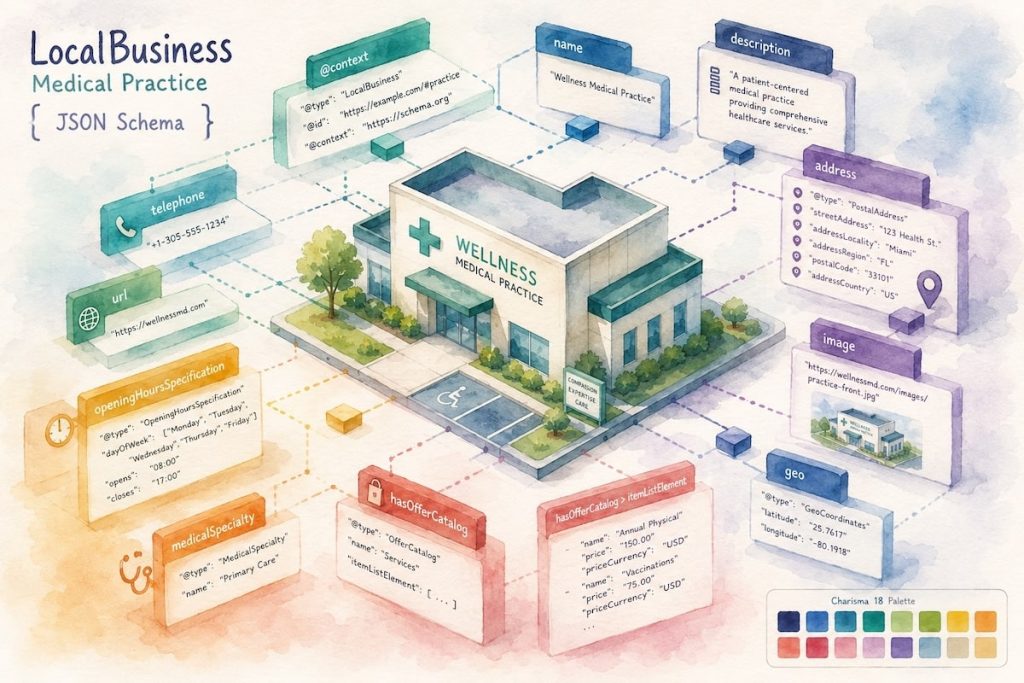
- Local Schema Markup: This structured data helps search engines understand your page.
Best Practices for Optimizing Your Location Pages
First, create unique content for each location. Avoid copying descriptions; tailor details, services, and visuals. This prevents duplicate content issues.
Ensure your pages are mobile-friendly. Many local searches happen on phones, so a responsive design is a must for good user experience.
Keep NAP consistent across your website, Google Business Profile, and all online directories. Discrepancies confuse search engines and customers.
Regularly update all information. Keep hours, services, and promotions current.
Actively manage customer reviews. Encourage new feedback and respond professionally to all comments. This shows you value customers.
Implement a smart internal linking strategy. Link between related location pages and to relevant service pages on your main site.
Optimize your URL structure. Use clean, keyword-rich URLs like yourdomain.com/locations/city-name/ for better SEO and clarity. For businesses looking to master advanced digital strategies, getting help from experienced professionals can provide significant value.
Measuring the Success of Your Location Pages
To know if your location pages are working, track a few key things:
- Website Traffic: Specifically to your location pages.
- Conversions: Phone calls, direction requests, form submissions, or online bookings.
- Local Search Rankings: For relevant keywords.
- Engagement: Time on page and bounce rate.
Tools like Google Analytics, Google Search Console, and Google Business Profile Insights are great for tracking these. They offer the data you need to refine your strategy.
Harnessing the Power of Location Pages for Local Success
Location pages are more than just web pages; they’re vital tools for local business growth. They significantly boost local visibility, make for a better user experience, and directly drive conversions. They are truly a foundational element of any strong local SEO strategy.
Ready to Boost Your Local Presence? Partner with Charisma 18 SEO Agency
Charisma 18 SEO Agency excels at crafting high-performing digital strategies. We offer expert SEO, Local SEO optimization, and professional Website Design services, all tailored to meet your business goals.
Contact Charisma 18 SEO Agency today to discuss how we can improve your local search presence and grow your business!